Get Residential Siding Installation
Residential siding installation services help property owners replace or upgrade exterior siding to improve curb appeal, protect against weather damage, and handle projects like new builds or siding repairs.
If you’re considering residential siding installation, you’re in the right place to explore your options. Property owners often look into siding projects to enhance curb appeal, improve energy efficiency, or protect their homes from the elements. Planning a siding upgrade involves evaluating different materials, styles, and contractors to find the best solution for your property’s needs. By comparing local service providers, you can discover experienced contractors who understand the unique challenges and opportunities within your community.
Continuing with your project involves understanding what local contractors offer and how they can help achieve your goals. Whether updating worn or outdated siding, increasing home value, or simply refreshing the appearance of your property, working with local experts ensures you receive tailored advice and quality craftsmanship. Keep reading to learn more about how to connect with trusted service providers who can support your residential siding installation needs.
- Exterior Cladding Replacement - when old or damaged siding needs to be upgraded to improve home appearance and durability.
- Siding Repair Services - for homeowners dealing with cracks, holes, or other damage from weather or accidents.
- New Siding Installation - when building a new residence or undertaking a major renovation requiring exterior wall cladding.
- Siding Replacement Projects - for properties where existing siding has reached the end of its lifespan or no longer meets aesthetic preferences.
- Siding Maintenance and Restoration - to refresh and preserve the look of siding that has become worn or faded over time.
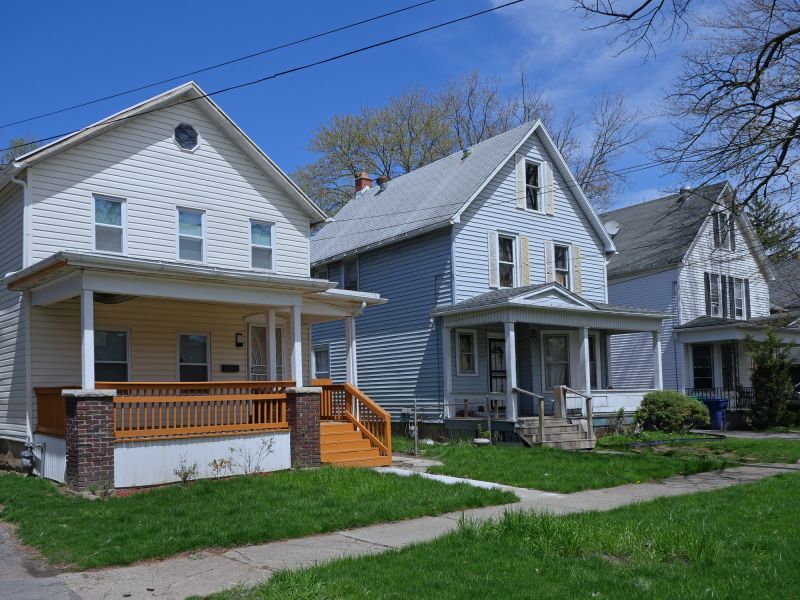
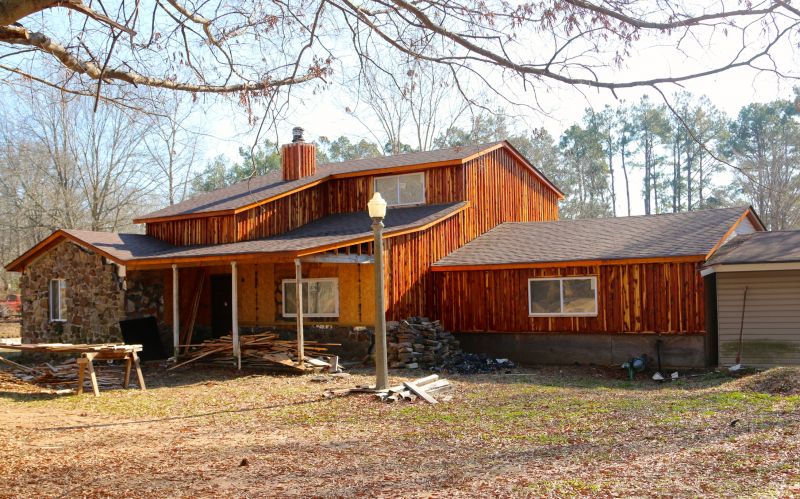
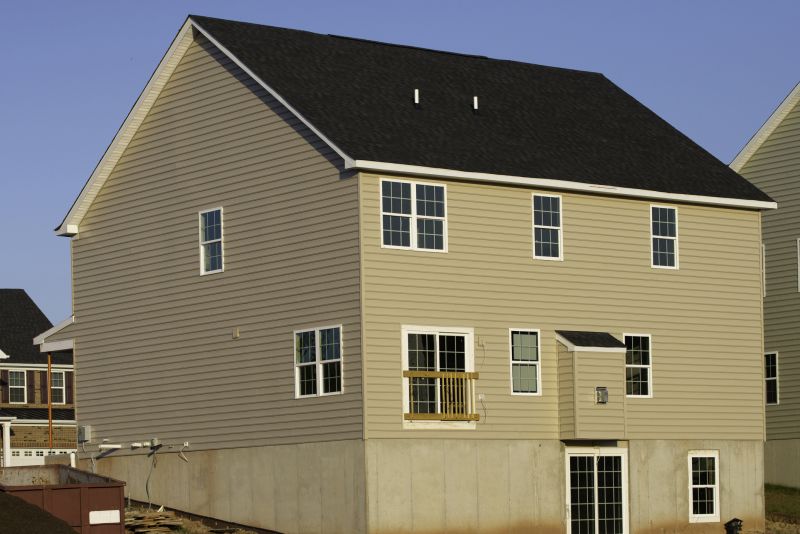
Residential siding installation services involve attaching new siding materials to the exterior walls of a home. This process typically includes removing any existing siding, preparing the surface, and then carefully installing the new siding to ensure a secure and even fit. The goal is to enhance the home's appearance while providing an additional layer of protection against weather elements. Experienced local contractors can help homeowners select the right siding type and style to match their property's architecture and personal preferences.
Siding installation can address several common problems homeowners face with their exteriors. Over time, siding may become damaged by storms, hail, or general wear and tear, leading to cracks, warping, or fading. Old siding can also become less effective at insulating the home, resulting in higher energy bills. In some cases, mold or rot may develop behind the siding, which can compromise the structure's integrity. Installing new siding helps solve these issues by restoring the home's exterior, improving energy efficiency, and reducing maintenance needs.
This service is often used on a variety of property types, including single-family homes, townhouses, and multi-family residences. Homes with outdated or damaged siding are prime candidates for replacement to improve curb appeal and protect the structure. New siding can also be a practical upgrade for properties undergoing renovations or those seeking a fresh look. Whether a property is located in a suburban neighborhood or an urban setting, professional siding installation can provide a durable and attractive exterior solution.
Homeowners considering siding installation should look for local service providers experienced in working with different siding materials, such as vinyl, fiber cement, wood, or metal. These professionals can assess the property's needs, recommend suitable options, and ensure the work is completed to high standards. Proper installation not only enhances the home's appearance but also helps prevent future problems related to weather exposure and structural damage. Contacting local contractors for an assessment can be a practical step toward improving the exterior of a residence.
The overview below groups typical Residential Siding Installation projects into broad ranges so you can see how smaller, mid-sized, and larger jobs often compare in your area.
In many markets, a large share of routine jobs stays in the lower and middle ranges, while only a smaller percentage of projects moves into the highest bands when the work is more complex or site conditions are harder than average.
Smaller Repairs - Minor siding repairs, such as patching or replacing a few panels, typically cost between $250 and $600. Many routine jobs fall within this range, though costs can vary based on material and extent of damage.
Material Costs - The price of siding materials like vinyl, fiber cement, or wood generally ranges from $3 to $10 per square foot. Most projects include material expenses within this band, with higher-end options reaching $15 or more per square foot for premium products.
Full Siding Replacement - Complete siding installation for an average-sized home often costs between $5,000 and $15,000. Larger or more complex projects can exceed this range, especially for high-end materials or custom designs.
Labor Expenses - Labor costs for siding installation typically add $2 to $5 per square foot to the total project. Many jobs fall into the middle of this range, while more intricate or extensive work can push costs higher, reaching $10 or more per square foot in some cases.
Actual totals will depend on details like access to the work area, the scope of the project, and the materials selected, so use these as general starting points rather than exact figures.
Exterior Wall Cladding - Local contractors skilled in installing various types of exterior wall coverings can apply siding materials with similar techniques and planning considerations.
Home Facade Renovations - Professionals experienced in updating and enhancing home exteriors often work with siding installation as part of larger facade improvement projects.
Window and Door Trim Installation - Installing trims around windows and doors requires precise siding work to ensure proper fit and aesthetics, making these projects related in skill set.
Insulation and Weatherproofing - Proper insulation installation alongside siding projects involves similar planning and application methods to improve home energy efficiency.
Gutter and Eavestrough Installation - Installing gutters and eavestroughs involves working on the exterior of the home, often coordinated with siding work to ensure proper drainage and protection.
Exterior Painting and Finishing - Applying finishes over siding surfaces requires surface preparation and finishing skills that overlap with siding installation techniques.
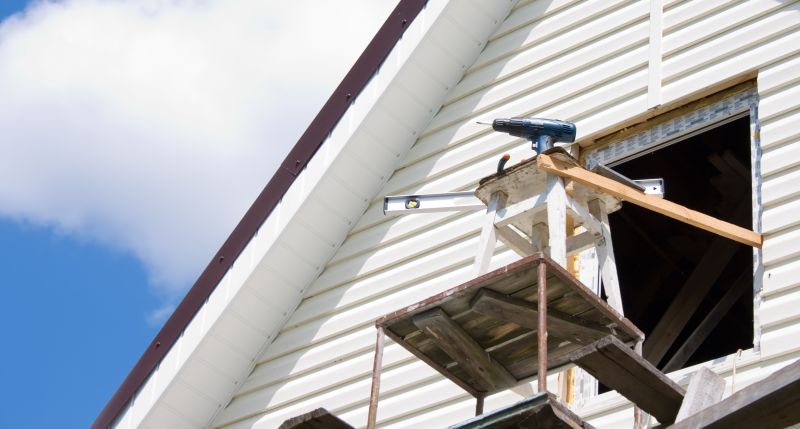
When comparing local contractors for residential siding installation, it’s important to consider their experience with projects similar to yours. A contractor with a history of handling homes of your size, style, or material preferences can provide insight into their familiarity with the specific requirements and challenges involved. Reviewing the scope of their past work can help gauge their expertise and comfort level with the type of siding you want to install, ensuring that the project will be managed with competence and understanding.
Clear, written expectations are essential for a smooth siding installation process. Reputable service providers should be willing to provide detailed proposals or estimates that outline the scope of work, materials to be used, and any other relevant details. Having this information in writing helps prevent misunderstandings and provides a reference point throughout the project. It’s also wise to ask potential contractors about their communication practices to ensure they will keep you informed and responsive to questions or concerns as the work progresses.
Reputable local contractors can also be identified through references or reviews from previous clients. Contactting past customers or reviewing testimonials can offer valuable insights into the quality of work, reliability, and professionalism of the service provider. Good communication is also a key factor; a contractor who listens carefully, responds promptly, and maintains transparency can help foster a positive working relationship. Remember, this site serves as a resource to connect homeowners with qualified local pros, not to perform the work itself, making it easier to compare options and find a trusted partner for siding installation.
Property owners use Residential Siding Installation services for practical projects around their homes and businesses. This guide focuses on everyday jobs and straightforward project options.
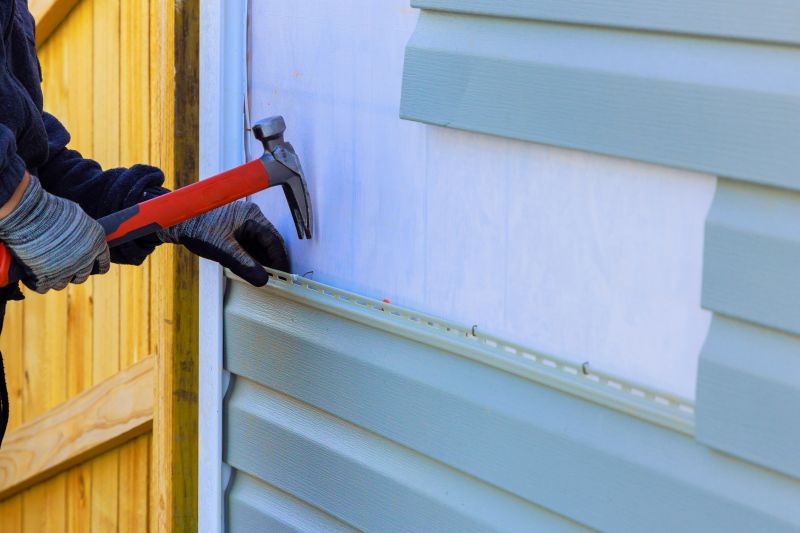
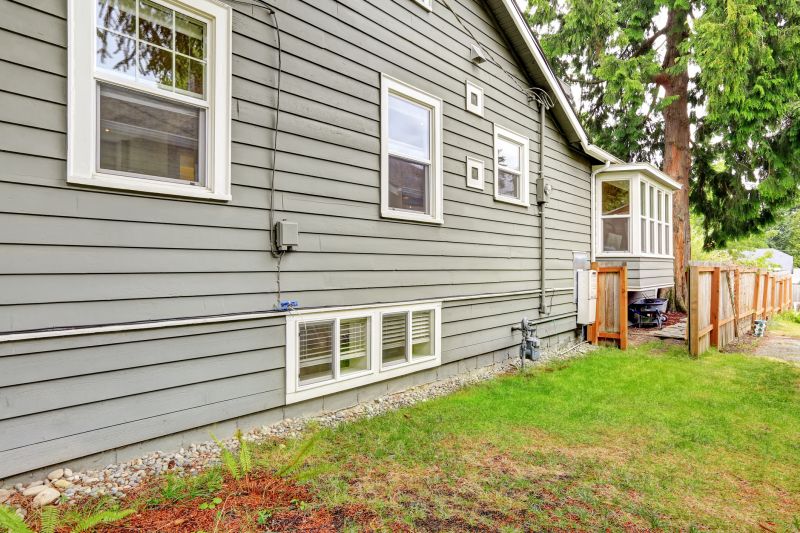
Residential siding installation is a common project for property owners who notice their current siding is damaged, faded, or no longer provides adequate protection against the elements. Homeowners may seek new siding to improve curb appeal, address issues with mold or rot, or simply upgrade to a more durable and low-maintenance material. Local contractors are available to help evaluate the condition of existing siding and recommend suitable options that match the style and needs of each property.
Many property owners also look for siding services when planning a home renovation or preparing to sell their house. Replacing worn or outdated siding can enhance the overall appearance of a property and potentially increase its value. Service providers in the area can assist with installation projects that fit various budgets and preferences, ensuring that homes are both attractive and well-protected.
What types of siding materials do local contractors install? Local service providers typically install a variety of siding materials including vinyl, fiber cement, wood, and aluminum to suit different preferences and home styles.
How do local contractors prepare a home for siding installation? Contractors usually assess the existing exterior, remove old siding if necessary, and ensure the surface is properly prepared for the new siding to ensure durability and proper installation.
What should I consider when choosing siding styles and colors? Local contractors can provide guidance on styles and colors that complement your home's architecture and neighborhood, helping you make an informed choice.
Are there any maintenance requirements for different siding options? Maintenance varies by material; for example, vinyl and fiber cement siding typically require minimal upkeep, while wood siding may need periodic painting or sealing.
What steps are involved in the residential siding installation process? The process generally includes inspection, surface preparation, siding installation, and final inspection to ensure the siding is properly secured and finished.
Enhance curb appeal - Installing new siding can refresh the appearance of a home, making it more attractive and welcoming for visitors or potential buyers.
Improve insulation - Upgrading siding helps increase energy efficiency, which can reduce heating and cooling costs during seasonal changes.
Protect against weather - Proper siding installation shields the exterior walls from moisture, wind, and other elements that can cause damage over time.
Update exterior style - Choosing modern or classic siding options allows property owners to customize their home's look to match personal preferences or neighborhood trends.
If you are thinking about Residential Siding Installation for a property, this guide is meant to help you understand the work, the typical project types, and how different options might fit your plans.
When you are ready, you can use the quote form on this page to share a few details about your project. From there, local pros can review the basics and respond with options that match what you have in mind.